6 Signs Your Garage Door Needs Repair
A garage door usually warns you before it fails completely, if you know what to listen and look for.
September 9, 2026 · 4 min read
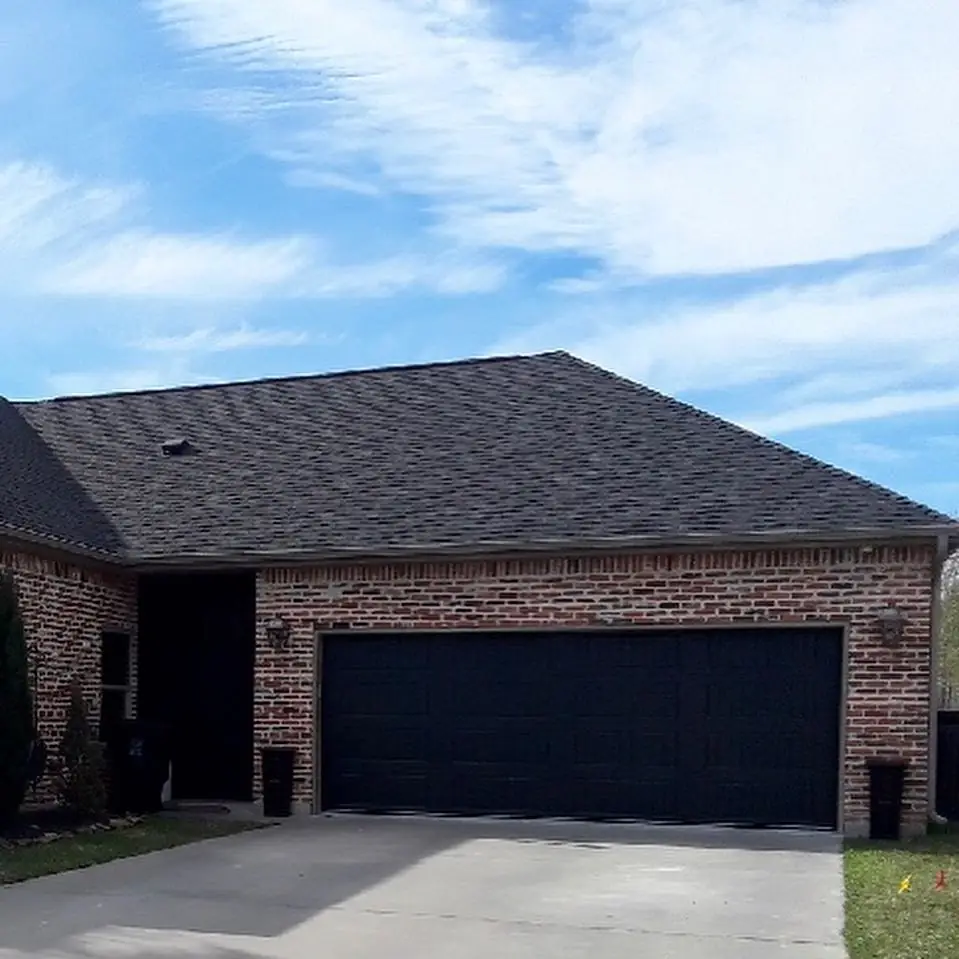
A garage door rarely fails all at once. It gives warning signs first, usually for weeks, before something breaks in a way that leaves the door stuck open or stuck shut. Knowing what those warning signs look like means you can get a repair scheduled before it turns into a middle-of-the-night emergency.
The door won't lift, or it takes real effort
If you're pushing the door up by hand and it feels heavy, or the opener strains and stalls partway through, the door has lost its balance. A garage door isn't really lifted by the opener motor. The springs, torsion springs mounted on a shaft above the door, or extension springs running along the tracks, carry almost all of the door's weight. The opener just guides the door along a path the springs have already made easy to move. When a spring weakens or a cable stretches, that balance goes away, and everything downstream, the opener, the tracks, the rollers, starts working harder than it was built for.
There's a simple test. Pull the emergency release cord to disconnect the opener, then lift the door about halfway by hand and let go. A properly balanced door should stay roughly where you left it. If it drops on its own or shoots upward, the spring tension is off and it's worth a call. Don't try to adjust that tension yourself; more on why below.
Grinding, banging or squealing
A normal garage door makes some noise, a low hum from the opener and a soft rumble as the rollers move through the track. It shouldn't grind, bang, screech or pop. Grinding usually means a roller has worn out or gone dry. Banging often means a cable has slipped off its drum or a hinge has cracked. A sharp bang followed by a door that suddenly won't budge is very often a broken spring, which we'll come back to.
- Grinding or scraping: worn or misaligned rollers
- Banging or popping: a loose hinge, cable, or track bracket
- Squealing: rollers or hinges that need lubrication, or are past the point where it helps
- A single loud bang with no obvious cause: likely a broken torsion spring
The door goes up, or down, crooked
Watch the door move through a full open-and-close cycle. If one side visibly lags behind the other, or the whole door tilts as it travels, something on that side, a cable, a spring, a track bracket, isn't carrying its share of the load. A door that's out of level like this puts extra strain on every other part and can jump the track completely if it's left alone long enough.
It reverses on its own before it reaches the floor
Openers built since the late 1990s include a safety reverse system, usually a pair of photo-eye sensors mounted low on each track, that stop and reverse the door if something breaks the beam between them. If your door reverses with nothing in the way, the sensors may just be dirty, knocked out of alignment, or have a loose wire, all quick fixes. A door that reverses because it's straining to close and giving up partway through is a different problem: the door is out of balance, or the opener's force setting has been turned up to compensate for something that should be repaired instead.
Slow or jerky travel
A door that used to open smoothly in a few seconds and now crawls, stutters, or pauses partway through its cycle is telling you the opener is compensating for resistance it shouldn't have to fight. That resistance is almost always mechanical, springs, rollers, or track alignment, rather than electrical, so a new opener on its own won't fix it. The mechanical parts need attention first.
A loud bang from the garage overnight
A single loud bang from the garage, especially overnight when nothing else is running, is very often a torsion spring letting go. Torsion springs are wound under heavy tension and rated for a set number of open-and-close cycles before they wear out and break, often without any warning. A broken spring means the door has lost most of its lifting support all at once. Don't try to open the door with the opener, and don't attempt to inspect or replace the spring yourself. It's one of the few genuinely dangerous repairs on a garage door, simply because of how much stored tension is involved.
If you're seeing any of these signs, a call to Action Overhead Door at (409) 738-3737 gets someone out to take a look, often the same day. They serve Orange, Bridge City, Nederland, Beaumont, and the wider Golden Triangle, offer free estimates, and run 24/7 for emergencies like a broken spring or a door that's stuck open overnight.
Action Overhead Door, (409) 738-3737
Call (409) 738-3737More articles
The Garage Door Parts That Actually Wear Out
Understanding what each part does makes it a lot easier to know what's actually wrong when something breaks.
Garage Door Maintenance for Southeast Texas Heat and Humidity
Southeast Texas weather is harder on a garage door than most general maintenance advice accounts for.