The Garage Door Parts That Actually Wear Out
Understanding what each part does makes it a lot easier to know what's actually wrong when something breaks.
September 9, 2026 · 3 min read
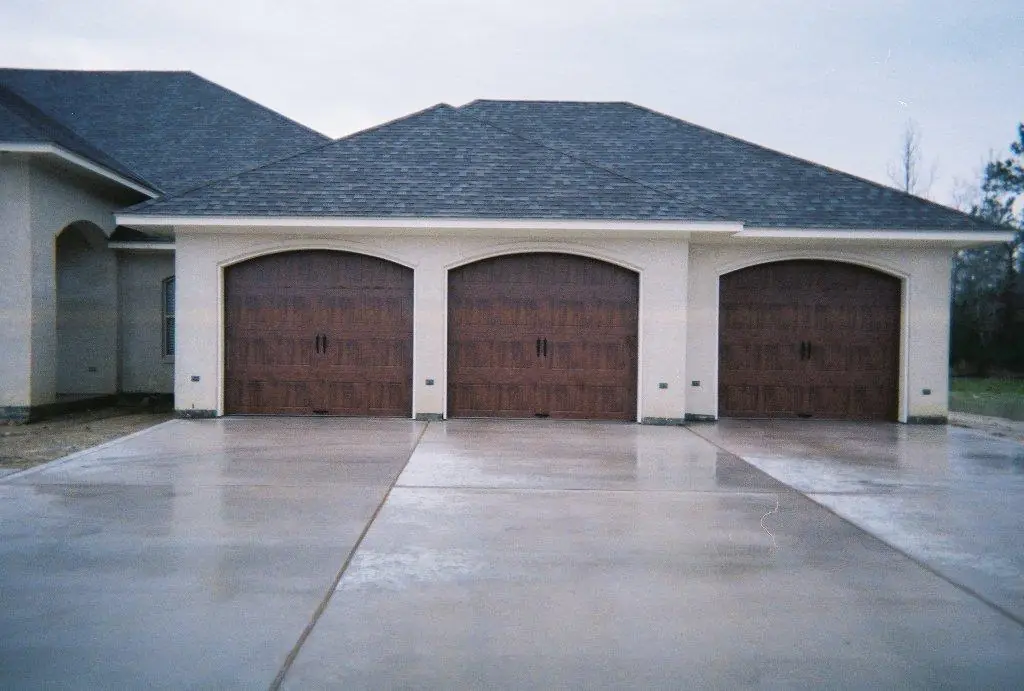
A garage door works as a system of parts, each one doing a specific job, and most of them wear out on a fairly predictable schedule rather than failing at random. Knowing what each part actually does makes it a lot easier to follow along when a technician explains what needs fixing.
Torsion springs
Mounted on a shaft above the door, torsion springs store energy by twisting under tension. As the door closes, the springs wind tighter and take on the door's weight; as it opens, they unwind and release that stored energy to help lift it. Springs are rated for a certain number of open-and-close cycles, not a certain number of years, so a door that's used several times a day wears through its springs faster than one used once. When a spring reaches the end of its cycle life it typically breaks outright rather than gradually weakening, which is why the failure often feels sudden even though the wear happened gradually.
Because both springs on a two-spring setup usually wear at close to the same rate, a shop doing the job right will often recommend replacing both at once even if only one has broken, rather than pairing a brand-new spring with a worn one that's likely to fail soon after.
Cables and drums
Steel cables run from the bottom corners of the door up to drums mounted on the same shaft as the springs. The drums wind and unwind the cable as the door moves, and the cable carries part of the door's weight in coordination with the springs. Cables fray over time, especially where they wrap around the drum, and a frayed cable can slip off or snap under load. A door that suddenly hangs crooked, with one corner sitting lower than the other, has usually lost tension on one cable.
Rollers and bearings
The rollers ride inside the vertical and horizontal tracks and are what actually let the door slide instead of scraping its way along. Every roller wears from the constant back-and-forth motion and from grit that works its way into the track over time. A dry or worn roller is the most common source of a grinding or squealing sound, and it's also one of the more routine, lower-cost parts to replace.
- Steel rollers with sealed bearings: quieter and longer lasting, for a small material cost premium
- Nylon or plastic rollers: cheaper up front, but wear faster and need replacing more often
Hinges
Hinges connect the door's individual panels to each other and hold the roller stems in place. They flex every single time the door opens or closes, so the flex points are where metal fatigue eventually shows up as a crack, especially on the hinge closest to the ground, which handles the sharpest angle as the door curves onto the track.
The bottom seal and track alignment
The rubber seal along the bottom edge of the door keeps water, insects, and drafts out, and it takes the most direct abuse of any part on the door since it's the piece that actually meets the garage floor thousands of times over. In Southeast Texas heat, that rubber hardens and cracks faster than it would in a milder climate, and once it's cracked it stops sealing properly.
Track alignment isn't a single part so much as a condition, but it fails just the same. A track that's been bumped by a car, or that has a loosened bracket, throws the rollers out of their proper path and creates the same grinding and crooked-travel symptoms as worn rollers, even when the rollers themselves are perfectly fine.
The opener's own gear
Inside most chain and belt drive openers sits a plastic drive gear that turns the sprocket. It's designed as a wear part on purpose, the idea being that it's cheaper and easier to replace a small gear than a motor, but it does eventually strip, especially on an opener that's been fighting an out-of-balance door for months. A grinding sound coming from the opener unit itself, rather than from the track, often points here.
A technician who's seen this pattern across thousands of doors can usually tell which part is failing just from the sound and the way the door moves. If something on your door doesn't sound or move the way it used to, Action Overhead Door offers free estimates and can take a look; call (409) 738-3737.
Action Overhead Door, (409) 738-3737
Call (409) 738-3737More articles
6 Signs Your Garage Door Needs Repair
A garage door usually warns you before it fails completely, if you know what to listen and look for.
Garage Door Maintenance for Southeast Texas Heat and Humidity
Southeast Texas weather is harder on a garage door than most general maintenance advice accounts for.